There are many things to consider when deciding whether to circumcise a baby or an adult. These include cultural beliefs and health effects. People commonly argue about whether circumcised or uncircumcised penises are better for hygiene, disease prevention, and sexual health.
Understanding the differences between a circumcised penis and an uncircumcised penis is the first step in making an informed decision. This guide will explore the key aspects of both, helping you understand the impacts on personal care and overall well-being.
Understanding Circumcised vs Uncircumcised
The fundamental distinction between a circumcised and an uncircumcised penis lies in the presence or absence of the foreskin. This single anatomical difference is the source of much discussion and debate, involving medical, cultural, and personal considerations.
Exploring these differences can help clarify what each means for an individual’s health and lifestyle. Let’s look closer at the definitions and the cultural context surrounding this common practice.
Definitions and Overview
A circumcised penis is one where the foreskin has been surgically removed.
The foreskin is a fold of skin that can pull back over the penis head.
When done on infants, this procedure is called newborn circumcision.
It permanently exposes the glans, also called the head of the penis.
People often choose circumcision for health, religious, or cultural reasons.
In contrast, an uncircumcised penis retains its foreskin. When flaccid, the foreskin covers the head of the penis. During an erection, the foreskin naturally retracts, exposing the glans. The removal of the foreskin is what distinguishes a circumcised penis from an uncircumcised one.
Research indicates no significant proven differences in sexual pleasure or performance between circumcised and uncircumcised men.. The choice remains a personal one based on a variety of factors.
Cultural and Historical Context in the United Kingdom
Many civilisations and religions have been doing circumcision for a long time. A vital religious ceremony is widely practiced worldwide, especially in the Middle East and among Jewish and Muslim communities.. These cultural considerations often decide what many families do, and this has been the case for generations.
Circumcision is common in the United States due to cultural norms, historical precedent, and medical guidance like the AAP. The CDC is an official government group that also gives information on the subject.
However, the practice is less common in other Western countries. Regional beliefs and the prevailing medical opinions within a society heavily influence the decision. For example, groups of men most likely to benefit from circumcision for medical reasons are often those in regions with high rates of certain infections.
Anatomy and Foreskin Removal
The foreskin is the most important anatomical difference between circumcised and uncircumcised people. This layer of skin normally covers the glans, which is the head of the penis. This covering is surgically removed after a circumcision, leaving the tip of the penis open all the time.
Understanding the basic structure of the penis can help explain physical changes.
It also helps to know what foreskin removal surgery involves.
Structure of the Penis
The penis has several parts, but the most visible outside parts are the shaft and the glans, or head. In an uncircumcised male, the glans is covered by the foreskin, a movable sleeve of skin. This skin protects the sensitive tip of the penis.
During an erection, the shaft of the penis fills with blood, causing it to become firm and elongated. The increased blood flow is what makes an erection possible. In an uncircumcised penis, the foreskin retracts or pulls back during an erection, exposing the glans.
The look of a circumcised penis can vary since the glans remains continuously visible. With the foreskin removed, the skin on the penile head may gradually alter in texture from ongoing exposure and rubbing, potentially making it somewhat less sensitive over time.
What Happens During Foreskin Removal
Circumcision, or removing the foreskin, is a type of surgery. When done on infants (neonatal circumcision), it usually happens within the first few days of life. Even though the process is short, it is still a surgical procedure. Circumcision is possible for older kids and adults, but it often needs general anaesthesia and a longer recovery time.
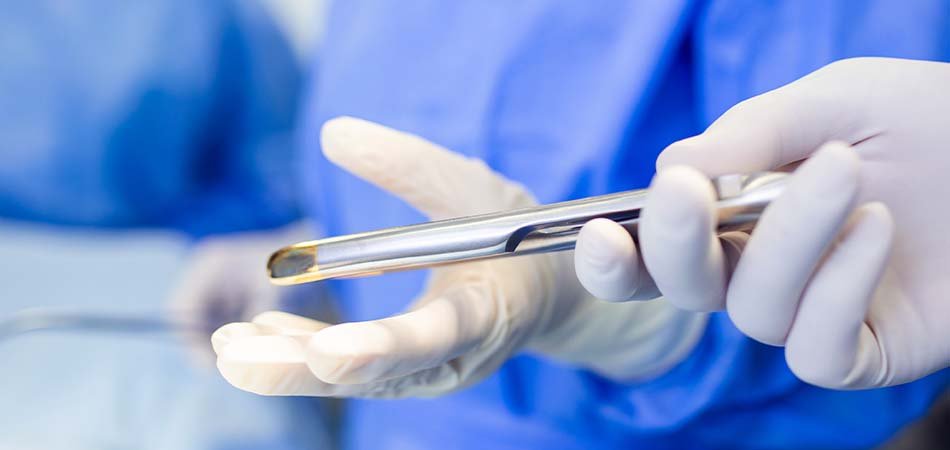
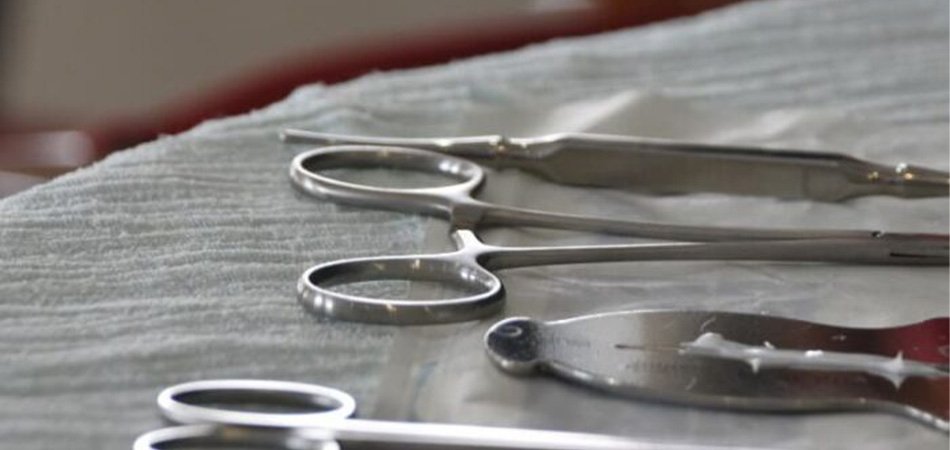
During the procedure, the clinician carefully separates the foreskin from the head of the penis and removes it. Various surgical tools, such as a Gomco clamp or a PlastiBell device, may be used to ensure a clean, precise cut. For older patients, dissolvable stitches are often used to close the incision.
The process is generally straightforward but requires proper medical care.
Stage Description
Preparation: The area is cleaned. A local or general anaesthetic is given to numb the area and prevent pain.
Procedure: A surgical device, such as a Gomco clamp, isolates the foreskin. The foreskin is then surgically cut away.
Post-Procedure : The incision may be closed with dissolvable stitches, and an ointment is applied to protect the area.
Hygiene and Personal Care Differences
Hygiene is a big part of the comparison between circumcised and uncircumcised. Both need to be cleaned, but the methods for doing so differ. For males who have not been circumcised, good hygiene means pulling back the foreskin to clean behind it. This stops smegma from building up and lowers the risk of infection.
It is easier to clean circumcised men every day because the head of the penis is always visible. Applying petroleum jelly to the area after the operation can help preserve it while it heals. Let’s look at the exact steps for each one.
Daily Cleaning Practices
For uncircumcised men and boys, daily cleaning involves a specific step. Gently pull back the foreskin and cleanse the region underneath with warm water.
You should do this each day when you bathe. It helps remove dead skin cells, natural oils, and bacteria that build up. It is very important not to violently pull back the foreskin in young children since it may not be totally separate yet.
A care provider can offer guidance on when and how to start this practice. After cleaning, the foreskin should be returned to its normal position over the head of the penis. Using mild soap is acceptable, but it should be rinsed off completely to avoid irritation.
In contrast, cleaning a circumcised penis is more straightforward. You can wash the head of the penis with soap and water just like the rest of your body, without any extra steps.
Impact on Hygiene and Infection Risk
The presence of the foreskin can create a warm, moist environment where bacteria may thrive if not cleaned properly. This increases the risk of infection. A buildup of smegma—a mix of oils and dead skin cells—can lead to irritation and inflammation.
For uncircumcised males, poor hygiene can contribute to several health issues. These include balanitis (inflammation of the glans) and phimosis (a tight foreskin that cannot be retracted). In some cases, these conditions may require medical Treatment.
Circumcision can lower the risk of certain infections by eliminating the area where bacteria can accumulate. Key points on hygiene and infection include:
- Reduced risk of urinary tract infections (UTIs), especially in the first year of life.
- Lower incidence of balanitis.
- Prevention of phimosis, a condition where the foreskin is too tight.
- Easier maintenance of daily penile hygiene.
Health Benefits and Medical Advantages
People often discuss the health benefits of being circumcised or not circumcised, in addition to sanitation. A growing number of studies, including systematic reviews, show that male circumcision has several medical benefits. These benefits include preventing common illnesses and reducing the risk of more serious diseases.
It’s necessary to consider the potential benefits and risks of the surgery itself. We will look at the known benefits for circumcised males and the worries that most uncircumcised guys have.
Benefits of Circumcision for Men
There are many important health benefits of male circumcision. A lower risk of getting some sexually transmitted diseases (STIs) is one of the most well-known benefits. Studies have consistently demonstrated that circumcision can be an effective component of HIV prevention methods, especially in areas with high prevalence of the infection.
Research from disease control agencies has underscored these protective effects. Taking off the foreskin makes it harder for viruses to get in and makes the area less welcoming for germs.
Key benefits of circumcision include:
- A significantly lower risk of acquiring HIV through heterosexual intercourse.
- Reduced risk of genital herpes and human papillomavirus (HPV).
- A nearly eliminated risk of penile cancer.
- A lower rate of urinary tract infections, especially in infants.
Common Medical Concerns in Uncircumcised Men
Uncircumcised men may face certain penile problems that are less common in their circumcised counterparts. One of the most frequent issues is phimosis, a condition where a tight foreskin cannot be retracted over the head of the penis. This can cause pain, difficulty with urination, and problems with sexual activity.
Another concern is an increased risk of infection.This can make it hard to urinate, create pain, and make sex hard.
Another worry is that the chance of infection goes up. Bacteria can live under the foreskin.
This can cause balanitis, which is inflammation of the glans. It can also cause posthitis, which is inflammation of the foreskin. Good cleanliness can lower this risk, but it is still a common problem.
Over time, repeated infections and long-term inflammation can raise the risk of penile cancer, though it is rare. Other less common issues, such as meatal stenosis, can also occur. They are not only linked to being uncircumcised.
Sexual Function and Sensitivity
A common point of contention in the circumcised vs uncircumcised debate is the impact on sexual function and sensation. Many people wonder if removing the foreskin affects pleasure or performance. The foreskin contains numerous nerve endings, and its movement during sexual activity contributes to stimulation.
However, the head of the penis is also highly sensitive. We will look at what scientific studies say about how circumcision might affect sexual pleasure, sensitivity, and the need for lubrication.
Does Circumcision Affect Sexual Pleasure?
One of the most debated topics is whether the effect of circumcision alters sexual pleasure. Opponents of the procedure argue that the foreskin is very sensitive.
They say removing it reduces sensation. They suggest that constant glans exposure can thicken the skin and reduce sensitivity over time.
However, numerous studies have investigated this claim with mixed results. A 2020 systematic review of many studies found no major differences in sexual function, satisfaction, or pleasure. It compared circumcised men with an uncircumcised control group. Some studies even reported that circumcised men experienced enhanced sexual function or ease in reaching orgasm.
Ultimately, current scientific evidence does not support the idea that circumcision consistently reduces sexual pleasure. Most research indicates that sexual function is comparable between the two groups.
Lubrication and Sensitivity Differences
The foreskin plays a role in natural lubrication during sexual activity. For an uncircumcised penis, the gliding motion of the foreskin over the glans can help distribute natural secretions. Some believe that its removal might lead to a greater need for artificial lubricants.
There is not much research on this subject. Some female spouses reported slightly less vaginal lubrication after their male partner’s circumcision. This implies a potential alteration in the dynamics of intercourse, although it does not definitively establish that a circumcised penis necessitates increased lubrication.
Regarding sensitivity, the foreskin is sensitive. The head of the penis is a main center for sexual sensation. For a circumcised penis, the glans is always exposed, which can lead to a change in skin texture over time. However, research has not found significant differences in overall sexual function or pleasure.
Disease Prevention and Risk of Infections
A strong case for male circumcision is based on preventing disease. Taking off the foreskin can greatly lower the chance of getting some illnesses. This includes not only localized penile infections but also sexually transmitted infections (STIs) like HIV.
Major health organizations around the world agree that circumcision protects against disease. We will look at how it can lower the risk of STIs. We will also cover long-term health benefits. These may include a lower risk of cervical cancer. This may apply to women who have sex with men.
Penile Infections and STIs
The area under the foreskin can create an environment that helps viruses and bacteria survive and multiply. This body feature is believed to be a key reason why uncircumcised men have a higher risk of some penile infections and STIs.
Research has shown that circumcision can substantially lower the risk of STIs. The most notable finding is its effect on HIV infection.
Multiple randomized trials show that male circumcision lowers men’s risk of getting HIV through heterosexual sex. It can reduce the risk by up to 60%. This has made it a key public health strategy in areas with high HIV rates.
Beyond HIV, circumcision is associated with a lower risk of other infections, including:
- Genital herpes
- Human papillomavirus (HPV), which can cause genital warts and certain cancers.
- Syphilis and chancroid. While circumcision reduces the risk of STIs, it does not provide complete protection, and safe sex practices remain essential.
Long-term Medical Advantages of Foreskin Removal
The benefits of circumcision extend beyond the immediate neonatal period. A systematic review of studies shows long-term medical advantages that become apparent over a person’s lifetime. The World Health Organization (WHO) supports male circumcision as a key way to prevent HIV in high-prevalence regions.
One of the significant long-term advantages is the reduced risk of penile cancer. While rare, this cancer is more common in uncircumcised men, often linked to chronic inflammation and HPV infection. By removing the foreskin, this risk is nearly eliminated.
Furthermore, circumcision can offer derivative benefits to female partners. Studies show that female partners of circumcised men have a lower risk of getting HPV.
HPV is the main cause of cervical cancer. This makes foreskin removal a public health measure. Its benefits extend beyond the individual, especially when done in the first few years.
Conclusion
In conclusion, the discussion on circumcised and uncircumcised men covers several topics. These include health benefits, hygiene, and sexual function. To make smart choices about your health and well-being, you need to know about these distinctions.
It’s important to remember that every situation is different when you’re thinking about circumcision for yourself or trying to understand how it affects sexual health. Learning more about the subject can help you make better health choices.
It can also encourage people to talk about sexual health. If you want individualized guidance or have further questions, don’t be afraid to ask for a consultation. It’s important to take care of your sexual health, and the first step is to receive the appropriate knowledge.
Frequently Asked Questions
Is there a difference in sexual function between circumcised and uncircumcised men?
Most scientific studies, including those comparing a control group with circumcised men, have found no major differences. These studies report similar sexual function, pleasure, and satisfaction. There is disagreement about circumcision and its effects.
But the evidence does not show it always harms sexual experience. The health benefits are an important factor to think about.
How does circumcision impact the appearance of the penis?
The main difference is the exposure of the head of the penis. In a circumcised penis, the glans is always visible. In an uncircumcised penis, the foreskin covers the tip of the penis when flaccid. The surgical procedure creates a permanent change in the penis’s appearance by removing this skin.
Does circumcision lower the risk of sexually transmitted infections?
Yes. The World Health Organization and the American Academy of Pediatrics agree that circumcision lowers the risk of STIs.
It is a proven way to lower the chance of getting HIV. It also lowers the risk of genital herpes and HPV. HPV is a very common sexually transmitted virus.